
 0
0
 0
0
Combating ICU Infections and AMR: ISCCM Pushes for Stronger Stewardship and Nationwide Awareness
• ISCCM members emphasized the urgent need for novel and effective anti-infectives and stronger ICU infection management
• Experts voiced concerns on limited pool of antibiotics available
Antimicrobial Resistance (AMR) has emerged as one of the most urgent threats to critical care medicine, particularly in Intensive Care Units (ICUs), where life-saving treatments are increasingly failing against highly resistant pathogens. As part of Criticare 2026, leading experts and intensivists highlighted how AMR is reshaping the landscape of ICU infection management in India and globally.
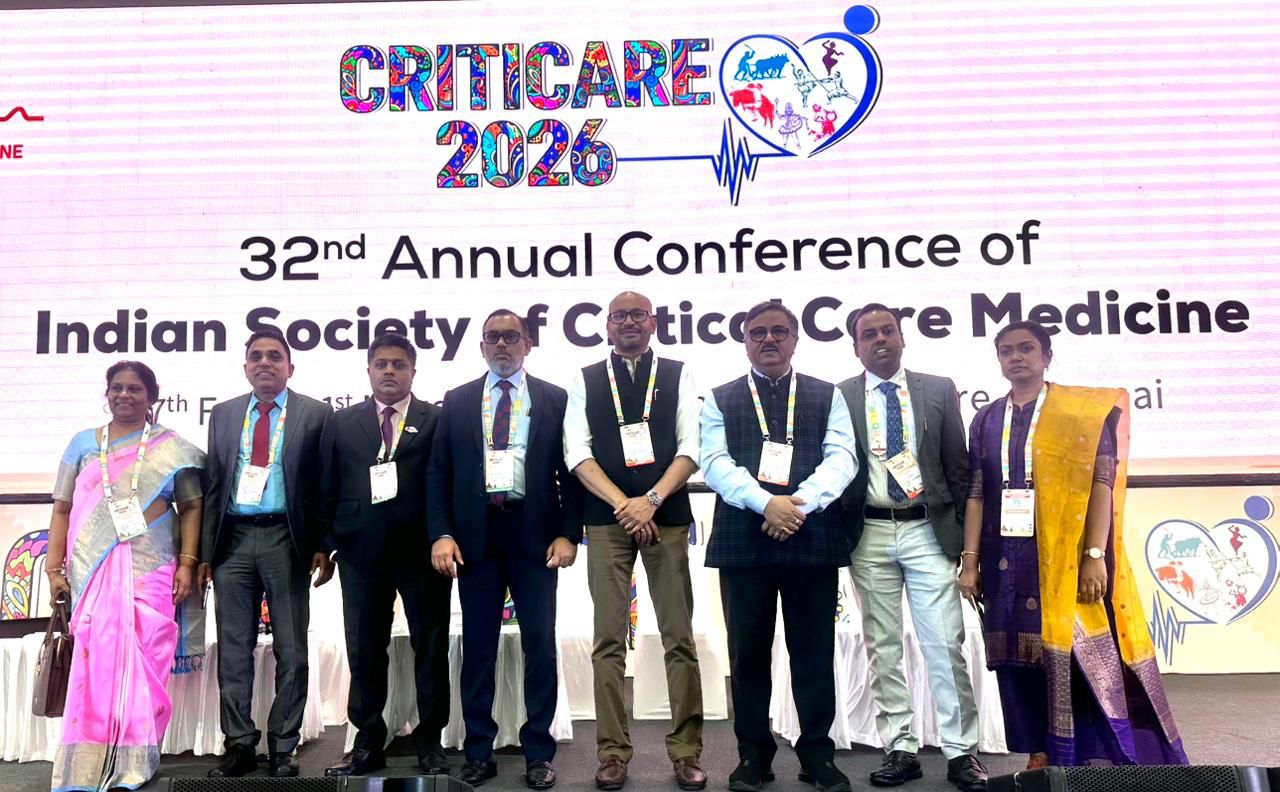
The conference, held from 27th Febraury-1st March, witnessed a magnificent opening ceremony with over 15,000 registrations and 300 national and international faculty.
The press conference was addressed by Dr Sachin Gupta, General Secretary, ISCCM, Dr Srinivas Samavedam, President ISCCM, Prof Pradip Kumar Bhattacharya, Immediate Past President ISCCM, Dr Ranvir Singh Tyagi, President Elect, ISCCM, Dr Ganshyam Jagathkar, General Secretary – Elect, ISCCM, Dr Sathya AC, senior critical care specialist from Chennai, Dr Susovan Mitra, Critical Care physician from Chennai and Dr Kalavathy Swarna, Secretary – ISCCM, Chennai branch discussed and emphasized on strengthening antimicrobial stewardship and the need for a policy framework to curb AMR.
Speaking on ICU scenario on tackling infections, Dr Sachin Gupta, General Secretary, ISCCM said, “In ICUs, before initiating antibiotic therapy, it is essential to carefully evaluate whether the fever is truly caused by an infection. Thoughtful consideration of whether an antibiotic is appropriate in each situation is critical. The assumption that every fever is infectious and requires immediate treatment leads to unnecessary antibiotic use, contributing to a cycle of resistance that ultimately demands stronger medications. A thorough assessment of the patient’s condition is vital—identify the underlying cause of illness, determine the source of sepsis when present, and prescribe targeted anti-infectives for a clearly defined duration.”
Emphasizing on ICU infections, Dr Pradip Kumar Bhattacharya, immediate past president of ISCCM said, “Many patients referred from smaller hospitals already carry these infections, and that is where the real challenge begins. The awareness and infection control standards followed at tertiary centers must percolate to smaller hospitals. Strong implementation of infection prevention protocols at every level, supported by existing government guidelines and projects, is essential to truly reduce this burden.”
Adding further, he said, “Another major concern is the inappropriate use of antibiotics before patients reach tertiary care centers. Many patients are already given high-end, broad-spectrum antibiotics that should ideally be reserved for resistant organisms in advanced hospitals. We urgently need stronger education and awareness among healthcare workers about antibiotic stewardship and strict infection prevention strategies, especially as we are left with a very limited pool of effective antibiotics for the future.”
Emphasizing on the need for holistic collaboration and awareness, Dr Ranvir Singh Tyagi, President Elect, ISCCM underscored, “We must address awareness at all levels like public education, doctor training, and strengthening diagnostic systems because without tackling all three together, controlling AMR will remain a major challenge in the coming years. AMR is rising rapidly in India mainly due to lack of awareness- both among the public and healthcare providers. Antibiotics are often prescribed or taken directly from medical stores without restriction, and diagnostic challenges like improper culture and sensitivity testing further complicate the issue.”
Dr Kalavathy Swarna, Secretary – ISCCM, Chennai branch said,” Antibiotic resistance is a huge and growing problem. It is essential to take strong preventive and protective measures to keep the population safe. Strict infection control practices in hospitals and prevention practices for each individual are imperative.”
Talking on AI in healthcare, Dr. Srinivas Samavedam, President ISCCM said, “Data science and artificial intelligence will improve how we tailor and fine-tune therapy for each individual patient, strengthening personalized care. At ISCCM, we run training programs for nurses, pharmacists, respiratory therapists, and nutritionists to ensure comprehensive patient care.”
About AMR:
AMR is killing more people every year than cancer and road accidents combined, with 7 lakh people losing their battle against AMR every year. It is expected that by the year 2050, another 10 million are expected to lose their lives due to AMR.
MDR (multi-drug resistant) infections are a growing concern in ICUs, where even normally treatable pathogens can increase complications, deaths, and treatment costs. To manage this challenge, we need ongoing evaluation of MDR trends and antibiotic use over time.”


